
Login
Destinations & Geography • ⏱️ 2 min read • Reviewed: Oct 2026

What Is the Himalayan Range?

💡
Quick Definition

The Himalayan Range is the world’s highest mountain system, stretching 2,400 kilometres across five Asian nations and containing all fourteen of Earth’s peaks exceeding 8,000 metres.

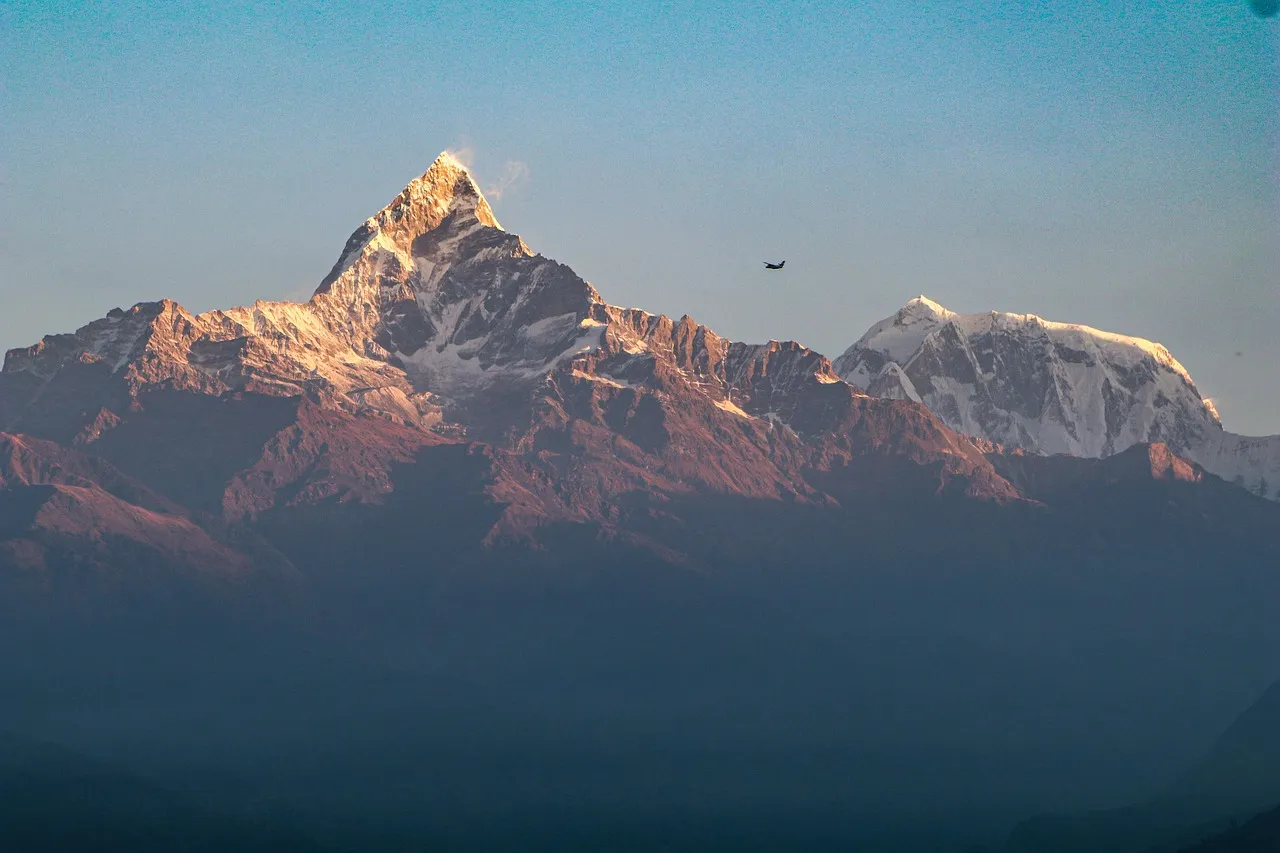
The Himalayan Range (derived from Sanskrit hima meaning snow, and ālaya meaning dwelling or abode—literally “the Abode of Snow”) is the supreme mountain system of Earth. Stretching in a colossal crescent arc approximately 2,400 kilometres (1,500 miles) across South and Central Asia, the Himalayas span five nations: Nepal, Bhutan, India, China (Tibet), and Pakistan, functioning as a colossal geological barrier separating the Indian subcontinent from the Tibetan Plateau.

Plate Tectonics: How the Giants Were Born

The Himalayas are geologically young, fold mountains born from one of the most violent tectonic collisions in planetary history. Approximately 50 million years ago, the northward-drifting Indo-Australian tectonic plate collided head-on with the stationary Eurasian plate. Because both landmasses were continental crust with similar buoyancy, the ancient Tethys seafloor was crumpled, buckled, and thrust skyward. Remarkably, the marine limestone at the very summit of Mount Everest contains 450-million-year-old fossilized crinoids and trilobites—proving the top of the world was once the bottom of a tropical ocean. The collision continues today, pushing the Himalayas upward by approximately 5 to 10 millimetres annually.

The Fourteen Eight-Thousanders

The Himalayas contain all 14 of the world’s eight-thousanders—mountains whose summits pierce the “death zone” above 8,000 metres (26,247 feet). Nepal is extraordinarily blessed to host eight of these fourteen giants within or along its sovereign borders:

  1. Mount Everest (8,848.86m)
  2. Kanchenjunga (8,586m)
  3. Lhotse (8,516m)
  4. Makalu (8,485m)
  5. Cho Oyu (8,188m)
  6. Dhaulagiri I (8,167m)
  7. Manaslu (8,163m)
  8. Annapurna I (8,091m)

The Third Pole and Water Tower of Asia

Beyond their majesty, the Himalayas and the adjacent Tibetan Plateau are known scientifically as the “Third Pole” because they hold the largest volume of permanent snow and ice outside the Arctic and Antarctic polar ice sheets. Feeding ten major Asian river systems—including the Ganges, Brahmaputra, Indus, Mekong, and Yangtze—the Himalayan glaciers provide freshwater, irrigation, and hydroelectric power to more than 1.4 billion people downstream.

Editorial Verification & Quality Standard

This article was researched, composed, and fact-checked by the Prawaha Editorial Team in accordance with reliable Nepalese tourism and conservation authorities. High-altitude safety information adheres to established Himalayan Rescue Association (HRA) and wilderness medicine guidelines.
Reference Records: Sources: International Centre for Integrated Mountain Development (ICIMOD), Geological Survey of Nepal, U.S. Geological Survey (USGS) Tectonics.
← Back to Travel Glossary Index
Share this reference:
Experience It in Person

Explore Related Tours & Itineraries

Handcrafted journeys featuring the destinations, terrain, or cultural experiences explained in this guide.

Annapurna Region
Mountain Journeys Strenuous
Annapurna Region

Annapurna Circuit Experience

The Annapurna Circuit is one of Nepal’s most renowned long-distance journey, taking you on a remarkable path around the Annapurna mountain range. The route passes through an extraordinary variety of landscapes, from green subtropical valleys and terraced farmland to alpine meadows and the stark, high-altitude terrain of the Himalayas. Along the way, trekkers are treated to views of Annapurna, Dhaulagiri, Machapuchare and other impressive peaks.The trek is just as rewarding for its cultural encounters. The trail passes through villages inhabited by Gurung, Magar, Thakali and other communities, each with its own traditions, architecture and way of life. Spending time in these mountain settlements adds a cultural dimension to the spectacular scenery.One of the major challenges is crossing Thorong La Pass at approximately 5,416 metres. Reaching the pass is a significant achievement and one of the defining moments of the circuit. The changing altitude and terrain mean that good preparation, sensible pacing and proper acclimatisation are important.With dramatic landscapes, diverse mountain cultures and the challenge of crossing one of the world's highest trekking passes, the Annapurna Circuit offers an unforgettable way to experience the Himalayan region.

14 Days / 13 Nts • 🏔️ 4,600m Price on Request
Details →
Annapurna Region
Mountain Journeys Strenuous
Annapurna Region

Annapurna Base Camp Journey

The Annapurna Base Camp Journey is one of Nepal's most rewarding Himalayan journeys, combining dramatic mountain scenery with the warmth and culture of mountain communities.The adventure usually begins in Pokhara before heading towards the foothills of the Annapurna range. The trail winds through traditional villages, terraced farmland, lush forests and peaceful rivers. As you gain altitude, the landscape gradually changes, revealing waterfalls, rocky trails, alpine meadows and increasingly impressive views of the surrounding mountains.Reaching Annapurna Base Camp at approximately 4,130 metres (13,549 feet) is the highlight of the journey. Surrounded by towering Himalayan peaks, you get an unforgettable close-up view of Annapurna South, Annapurna I and Machhapuchhare (Fishtail). Standing in the natural amphitheatre of the Annapurna Sanctuary is a moment many trekkers remember long after returning home.The journey is about more than mountain views. Along the trail, you pass through villages inhabited by Gurung and Magar communities, where traditional houses, local teahouses and prayer flags reflect the region's rich cultural heritage. Meeting local people and experiencing their everyday way of life adds another dimension to the experience.With a combination of varied landscapes, welcoming mountain communities and spectacular Himalayan scenery, the Annapurna Base Camp Journey offers an experience that feels both adventurous and deeply connected to Nepal.BEST SEASON FOR THIS JOURNEY:The best season for the Annapurna Base Camp (ABC) experience in Nepal is during the autumn (September to November) and the spring (March to May). Both autumn and spring are popular seasons for the Annapurna Base Camp Journey, and you can expect to encounter fellow nature lovers along the trail.

12 Days / 11 Nts • 🏔️ 4,130m Price on Request
Details →
Chandragiri Hiking
Luxury Treks and Tours Easy
Kathmandu

Chandragiri Hiking

Chandragiri is one of the most popular day-trip destinations near Kathmandu, offering a refreshing escape from the city and impressive views of the surrounding mountains. Located at around 2,551 metres, the hill provides a beautiful vantage point over Kathmandu Valley and, on clear days, the Himalayan range.The Chandragiri Cable Car makes reaching the hilltop easy and enjoyable, with scenic views unfolding throughout the ride. You can also take a short hike around the hill, visit the Bhaleshwar Mahadev Temple and enjoy the peaceful forest surroundings.For travellers with limited time, Chandragiri is a convenient way to experience Nepal’s hills, mountain scenery and local culture in a single day.

1 Days / 0 Nts Price on Request
Details →
In-Depth Travel Resources

Helpful Travel Guides & Regulations

Practical information, official permits, equipment checklists, and ethical guidelines for your Nepal trip.

Related Glossary Topics

Deepen your travel knowledge with interconnected mountain and cultural concepts.

Plan Your Custom Journey

Ready to explore Nepal with local experts?

Prawaha Tours designs private and small-group journeys tailored to your fitness level, schedule, and interests—with verified safety protocols and licensed local guides.

Compare Packages (0/3):