Login
Destinations & Geography • ⏱️ 2 min read • Reviewed: Oct 2026

What Is the Everest Region?

💡
Quick Definition

The Everest Region, known locally as the Khumbu, is an alpine wonderland in northeastern Nepal encompassing Sagarmatha National Park, four 8,000-metre peaks, and the ancestral homeland of the Sherpa people.

The Everest Region, known natively by its indigenous Sherpa name Khumbu, is an extraordinary high-altitude alpine wilderness located in northeastern Nepal within the Solukhumbu District. Encompassed largely within the borders of Sagarmatha National Park, the region is dominated by Mount Everest (Sagarmatha in Nepali, Chomolungma in Tibetan, 8,848.86m)—the highest point on planet Earth—along with three additional 8,000-metre giants: Lhotse (8,516m), Makalu (8,485m), and Cho Oyu (8,188m).

Geography and Landscape of the Khumbu

The geography of the Everest region is characterized by extreme relief, carved by ancient glaciers into steep U-shaped valleys, hanging moraines, turquoise alpine tarns, and sheer granite walls. The region is divided into three primary drainage valleys:

  • The Khumbu Valley: The primary trekking corridor, leading from Lukla airport through Phakding, the trading capital of Namche Bazaar (3,440m), Tengboche Monastery, Dingboche, and onwards to the Khumbu Glacier and Everest Base Camp (5,364m) (and premier Annapurna routes like our Annapurna Base Camp Journey).
  • The Gokyo Valley: Famous for its chain of six pristine oligotrophic glacial lakes, the Ngozumpa Glacier (the longest glacier in the Himalayas), and the panoramic viewpoint of Gokyo Ri (5,357m).
  • The Bhote Koshi Valley: The historic trans-Himalayan trade route leading past Thame village over the glaciated Nangpa La pass into Tibet.

The Sherpa Spiritual Heartland

The Everest region is the ancestral homeland of the Sherpa people, who migrated from eastern Tibet across the Himalayas approximately 500 years ago. Revered worldwide as superhuman mountain climbers and expedition leaders, the Sherpa culture is deeply rooted in Nyingma Vajrayana Buddhism. Mountain valleys are adorned with mani stones carved with Buddhist mantras, fluttering prayer flags, chortens, and sacred monasteries such as Tengboche, which sits beneath the iconic fluted spire of Ama Dablam (6,812m).

Planning a Visit

Trekking in the Everest region requires disciplined acclimatisation due to high average sleeping elevations. Autumn (October–November) and spring (March–May) provide optimal clear skies, crisp mountain vistas, and comfortable trail temperatures.

Editorial Verification & Quality Standard

This article was researched, composed, and fact-checked by the Prawaha Editorial Team in accordance with reliable Nepalese tourism and conservation authorities. High-altitude safety information adheres to established Himalayan Rescue Association (HRA) and wilderness medicine guidelines.
Reference Records: Sources: Sagarmatha National Park Management Authority, Himalayan Rescue Association Khumbu Clinic, Christoph von Fürer-Haimendorf "The Sherpas of Nepal".
← Back to Travel Glossary Index
Share this reference:
Experience It in Person

Explore Related Tours & Itineraries

Handcrafted journeys featuring the destinations, terrain, or cultural experiences explained in this guide.

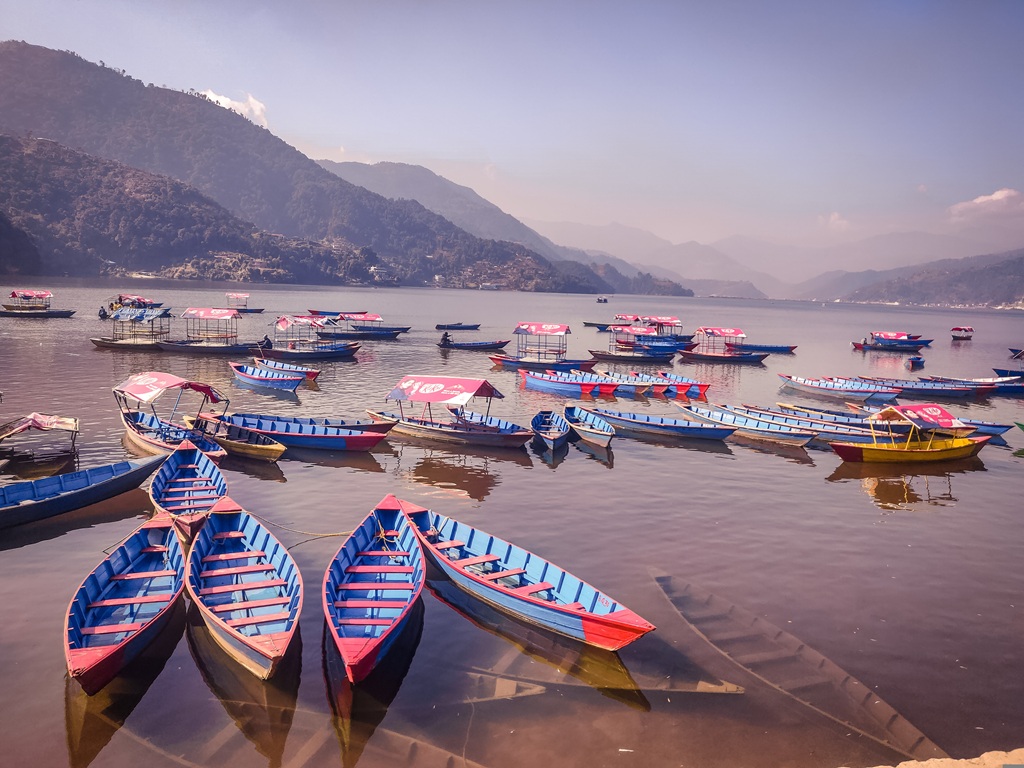
Pokhara - the man made lake
Photograpy Tours Easy
Nepal

Sunrise and Sunset Photography Tour

Good light can completely change a photograph. For travel and landscape photographers, the soft light around sunrise and sunset is especially rewarding, bringing out the colours, textures and character of a place.Prawaha Tours and Travels’ 9-day Sunrise and Sunset Photography Tour takes you through some of Nepal’s most scenic and culturally rich destinations, including Kathmandu Valley, Bandipur and Pokhara. The itinerary is designed to give you plenty of opportunities to photograph landscapes, heritage sites, local communities and mountain scenery.In Kathmandu Valley, explore four UNESCO World Heritage Sites, along with the hilltop destination of Nagarkot and the traditional Newari village of Khokana.The journey then continues to Bandipur, where historic Newari architecture, local life and surrounding hills create a wonderful setting for photography. From Bandipur, travel towards Pokhara along the scenic Prithvi Highway.In Pokhara, photograph the Himalayan landscape from Sarangkot, visit the World Peace Pagoda, and head towards Dhampus for closer views of the mountains and peaceful village surroundings. With a mix of sunrise and sunset sessions, cultural exploration and scenic locations, the tour offers a varied photography experience across Nepal.

9 Days / 8 Nts • 🏔️ 1,650m Price on Request
Details →
Prawaha Tours & Travels (P) Ltd
A Day Tour Easy
Kathmandu

Nagarkot Hiking

Escape the busy streets of Kathmandu and spend a day walking through the peaceful hills around Nagarkot. This popular hilltop destination is known for its fresh mountain air, countryside scenery and wide Himalayan views. The hike is a good choice for travellers who want to enjoy Nepal’s landscapes without taking a long trekking trip.The trail begins around Sankhu and passes through rice fields, forests, meadows and traditional villages before reaching Nagarkot. Along the way, you can experience rural life and interact with local communities. On a clear day, the hilltop offers views towards several Himalayan ranges, including Langtang, Ganesh Himal, Manaslu and Gaurishankar.In the evening, enjoy the sunset from Nagarkot View Tower before returning to Kathmandu by private vehicle.

1 Days / 0 Nts Price on Request
Details →
Annapurna Region
Mountain Journeys Strenuous
Annapurna Region

Annapurna Circuit Experience

The Annapurna Circuit is one of Nepal’s most renowned long-distance journey, taking you on a remarkable path around the Annapurna mountain range. The route passes through an extraordinary variety of landscapes, from green subtropical valleys and terraced farmland to alpine meadows and the stark, high-altitude terrain of the Himalayas. Along the way, trekkers are treated to views of Annapurna, Dhaulagiri, Machapuchare and other impressive peaks.The trek is just as rewarding for its cultural encounters. The trail passes through villages inhabited by Gurung, Magar, Thakali and other communities, each with its own traditions, architecture and way of life. Spending time in these mountain settlements adds a cultural dimension to the spectacular scenery.One of the major challenges is crossing Thorong La Pass at approximately 5,416 metres. Reaching the pass is a significant achievement and one of the defining moments of the circuit. The changing altitude and terrain mean that good preparation, sensible pacing and proper acclimatisation are important.With dramatic landscapes, diverse mountain cultures and the challenge of crossing one of the world's highest trekking passes, the Annapurna Circuit offers an unforgettable way to experience the Himalayan region.

14 Days / 13 Nts • 🏔️ 4,600m Price on Request
Details →
In-Depth Travel Resources

Helpful Travel Guides & Regulations

Practical information, official permits, equipment checklists, and ethical guidelines for your Nepal trip.

Related Glossary Topics

Deepen your travel knowledge with interconnected mountain and cultural concepts.

Plan Your Custom Journey

Ready to explore Nepal with local experts?

Prawaha Tours designs private and small-group journeys tailored to your fitness level, schedule, and interests—with verified safety protocols and licensed local guides.

Compare Packages (0/3):