
Login
Trekking & Mountains • ⏱️ 2 min read • Reviewed: Oct 2026

What Is a Himalayan Base Camp?

💡
Quick Definition

A Himalayan base camp is an alpine staging ground positioned at the foot of a prominent mountain, serving as an operational hub for mountaineering expeditions and an iconic turnaround point for trekkers.

A Himalayan base camp is an elevated staging outpost established at the foot of a high mountain peak or glacier. Historically established as logistical command centres where mountaineering expeditions store provisions, coordinate radio communications, and wait for favourable weather windows before ascending higher technical camps, base camps have evolved into world-famous trekking objectives in their own right.

The Dual Identity of Base Camps

It is helpful to understand the practical distinction between trekking base camps and seasonal mountaineering base camps:

  • The Mountaineers’ Seasonal City: During high-altitude expeditions, base camps like Everest Base Camp or Annapurna Base Camp (4,130m) on the Khumbu Glacier transforms into a sprawling, vibrant canvas city. Hundreds of expedition tents, dining domes, communications domes, medical clinics (such as the HRA Everest ER), and meteorology stations support climbers attempting the 8,848.86-metre summit. Outside climbing seasons, all temporary expedition tents are dismantled to leave the glacier pristine.
  • The Trekkers’ Terminal Destination: For trekkers, reaching a base camp represents the culmination of days of physical exertion, disciplined acclimatisation, and awe-inspiring alpine scenery. Trekkers typically visit the base camp marker or glacier for several hours of photography and celebration before descending to lodge in nearby teahouse settlements (such as Gorak Shep for Everest, or Machapuchare Base Camp for Annapurna).

Prominent Himalayan Base Camps in Nepal

Nepal hosts some of the most celebrated base camp trekking destinations on Earth:

  1. Everest Base Camp (5,364m): Located in the Khumbu region, offering dramatic close-up panoramas of the Khumbu Icefall, Nuptse, and surrounding seracs.
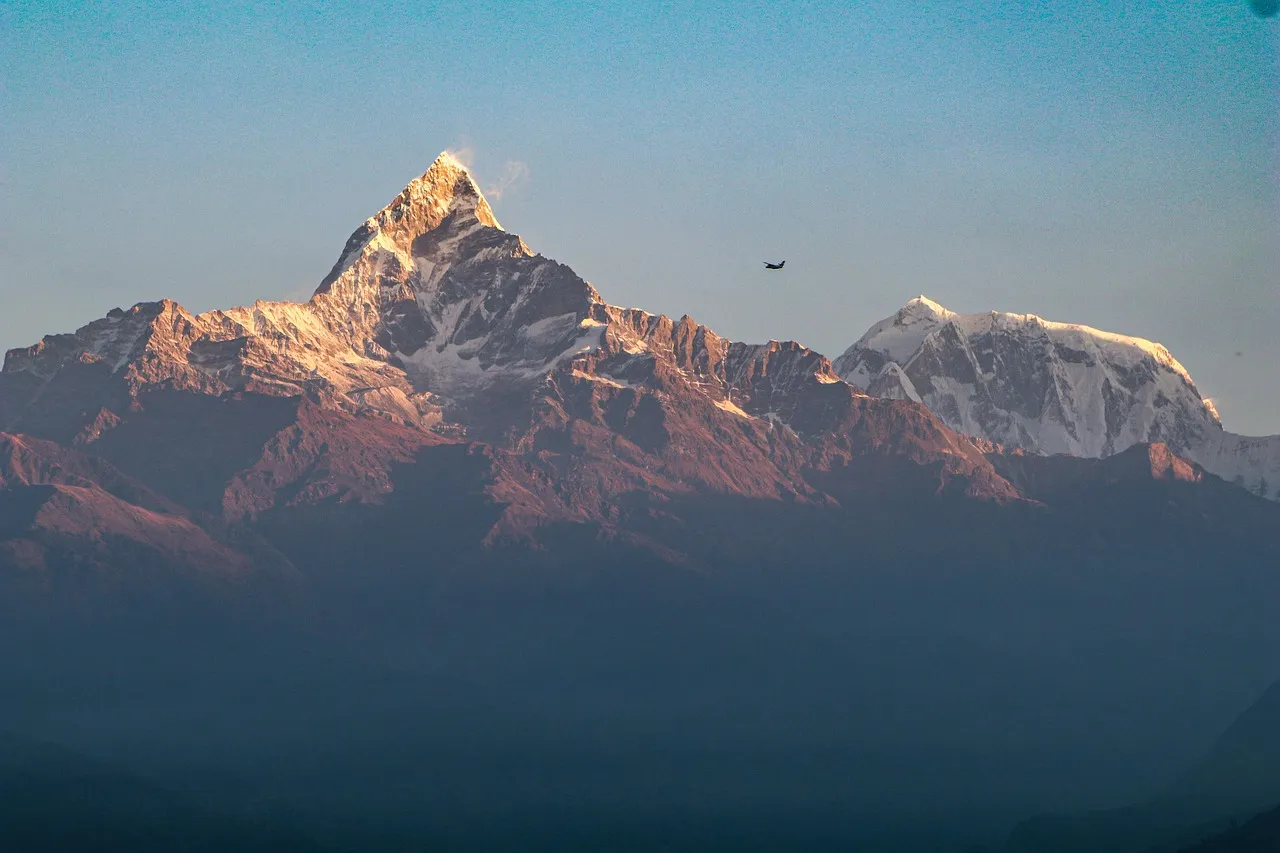
  2. Annapurna Base Camp (4,130m): Nestled in the dramatic Annapurna Sanctuary—a natural amphitheatre surrounded by towering 7,000m and 8,000m giants including Annapurna I, Machapuchare (Fishtail), and Hiunchuli.
  3. Kanchenjunga Base Camps (North and South): Pristine, remote wilderness outposts in eastern Nepal facing the world’s third-highest peak.
  4. Makalu Base Camp (4,870m): Famous for rugged terrain, rare alpine biodiversity in the Barun Valley, and sheer granite cliff faces.

Standing at a Himalayan base camp offers travellers a profound sense of scale, humility, and connection with the planet’s greatest geological wonders.

Editorial Verification & Quality Standard

This article was researched, composed, and fact-checked by the Prawaha Editorial Team in accordance with reliable Nepalese tourism and conservation authorities. High-altitude safety information adheres to established Himalayan Rescue Association (HRA) and wilderness medicine guidelines.
Reference Records: Sources: Himalayan Database, Nepal Mountaineering Association (NMA), Sagarmatha Pollution Control Committee (SPCC).
← Back to Travel Glossary Index
Share this reference:
Experience It in Person

Explore Related Tours & Itineraries

Handcrafted journeys featuring the destinations, terrain, or cultural experiences explained in this guide.

Annapurna Region
Mountain Journeys Strenuous
Annapurna Region

Annapurna Base Camp Journey

The Annapurna Base Camp Journey is one of Nepal's most rewarding Himalayan journeys, combining dramatic mountain scenery with the warmth and culture of mountain communities.The adventure usually begins in Pokhara before heading towards the foothills of the Annapurna range. The trail winds through traditional villages, terraced farmland, lush forests and peaceful rivers. As you gain altitude, the landscape gradually changes, revealing waterfalls, rocky trails, alpine meadows and increasingly impressive views of the surrounding mountains.Reaching Annapurna Base Camp at approximately 4,130 metres (13,549 feet) is the highlight of the journey. Surrounded by towering Himalayan peaks, you get an unforgettable close-up view of Annapurna South, Annapurna I and Machhapuchhare (Fishtail). Standing in the natural amphitheatre of the Annapurna Sanctuary is a moment many trekkers remember long after returning home.The journey is about more than mountain views. Along the trail, you pass through villages inhabited by Gurung and Magar communities, where traditional houses, local teahouses and prayer flags reflect the region's rich cultural heritage. Meeting local people and experiencing their everyday way of life adds another dimension to the experience.With a combination of varied landscapes, welcoming mountain communities and spectacular Himalayan scenery, the Annapurna Base Camp Journey offers an experience that feels both adventurous and deeply connected to Nepal.BEST SEASON FOR THIS JOURNEY:The best season for the Annapurna Base Camp (ABC) experience in Nepal is during the autumn (September to November) and the spring (March to May). Both autumn and spring are popular seasons for the Annapurna Base Camp Journey, and you can expect to encounter fellow nature lovers along the trail.

12 Days / 11 Nts • 🏔️ 4,130m Price on Request
Details →
Annapurna Region
Mountain Journeys Strenuous
Annapurna Region

Annapurna Circuit Experience

The Annapurna Circuit is one of Nepal’s most renowned long-distance journey, taking you on a remarkable path around the Annapurna mountain range. The route passes through an extraordinary variety of landscapes, from green subtropical valleys and terraced farmland to alpine meadows and the stark, high-altitude terrain of the Himalayas. Along the way, trekkers are treated to views of Annapurna, Dhaulagiri, Machapuchare and other impressive peaks.The trek is just as rewarding for its cultural encounters. The trail passes through villages inhabited by Gurung, Magar, Thakali and other communities, each with its own traditions, architecture and way of life. Spending time in these mountain settlements adds a cultural dimension to the spectacular scenery.One of the major challenges is crossing Thorong La Pass at approximately 5,416 metres. Reaching the pass is a significant achievement and one of the defining moments of the circuit. The changing altitude and terrain mean that good preparation, sensible pacing and proper acclimatisation are important.With dramatic landscapes, diverse mountain cultures and the challenge of crossing one of the world's highest trekking passes, the Annapurna Circuit offers an unforgettable way to experience the Himalayan region.

14 Days / 13 Nts • 🏔️ 4,600m Price on Request
Details →
In-Depth Travel Resources

Helpful Travel Guides & Regulations

Practical information, official permits, equipment checklists, and ethical guidelines for your Nepal trip.

Related Glossary Topics

Deepen your travel knowledge with interconnected mountain and cultural concepts.

Plan Your Custom Journey

Ready to explore Nepal with local experts?

Prawaha Tours designs private and small-group journeys tailored to your fitness level, schedule, and interests—with verified safety protocols and licensed local guides.

Compare Packages (0/3):