
Login
Trekking & Mountains • ⏱️ 3 min read • Reviewed: Oct 2026

What Is Acclimatisation?

💡
Quick Definition

Acclimatisation is the natural physiological process by which the human body adapts to lower ambient oxygen pressure at high altitudes through hyperventilation, increased red blood cell production, and metabolic adjustments.

Acclimatisation is the complex biological adaptation through which the human body compensates for the reduced partial pressure of oxygen found at elevated altitudes. As you trek upwards into the Himalayas, barometric pressure drops: at 5,000 metres above sea level, each lungful of air delivers only about half the effective oxygen pressure available at sea level. Acclimatisation is not an instantaneous switch; it is a time-dependent physiological cascade that enables human survival and physical exertion in the alpine zone.

How the Body Adapts Over Time

The human body initiates several rapid and gradual responses when ascending beyond 2,500 metres:

  • Immediate hyperventilation: The carotid chemoreceptors in your neck detect decreased blood oxygen levels, triggering your breathing reflex to become faster and deeper, both when active and while resting.
  • Cardiovascular surge: Your resting heart rate and cardiac output increase temporarily to circulate available oxygenated blood more rapidly throughout vital organs.
  • Kidney bicarbonate excretion: Hyperventilation blows off carbon dioxide, making the blood more alkaline (respiratory alkalosis). Over the first 24 to 72 hours, your kidneys excrete bicarbonate in urine to restore normal blood pH, allowing continued hyperventilation.
  • Erythropoietin (EPO) release: Over subsequent days and weeks, the kidneys release the hormone EPO, prompting bone marrow to produce additional red blood cells and haemoglobin to expand oxygen-carrying capacity.

Acclimatisation vs Physical Fitness

A frequent misconception among mountain travellers is that exceptional aerobic fitness guarantees protection against altitude sickness. In reality, cardiovascular endurance and muscle stamina do not dictate how quickly your kidneys buffer blood pH or how your pulmonary vascular bed reacts to hypoxia. In fact, highly conditioned athletes often face higher risk if their confidence causes them to walk too fast and outpace their biological adaptation curve.

Strategic Itinerary Design

The proven mountaineering adage “walk high, sleep low” remains the cornerstone of safe trekking itineraries. On classic Himalayan journeys such as the Annapurna Circuit Experience, trekkers spend two full nights in the Sherpa hub of Namche Bazaar (3,440m). On the designated acclimatisation day, they ascend 400 metres to Everest View Hotel or Khumjung village before descending back to Namche to sleep. This stimulus exposes the body to lower oxygen without the stress of sustained nighttime hypoxia.

Patience, conscious hydration, and listening to your body are the ultimate tools of successful acclimatisation. Pushing an aggressive schedule to save a day on the trail frequently results in forced retreat or emergency medical evacuation.

Editorial Verification & Quality Standard

This article was researched, composed, and fact-checked by the Prawaha Editorial Team in accordance with reliable Nepalese tourism and conservation authorities. High-altitude safety information adheres to established Himalayan Rescue Association (HRA) and wilderness medicine guidelines.
Reference Records: Sources: International Society for Mountain Medicine (ISMM), UIAA Medical Commission Standards, Himalayan Rescue Association Kathmandu.
← Back to Travel Glossary Index
Share this reference:
Experience It in Person

Explore Related Tours & Itineraries

Handcrafted journeys featuring the destinations, terrain, or cultural experiences explained in this guide.

Annapurna Region
Mountain Journeys Strenuous
Annapurna Region

Annapurna Circuit Experience

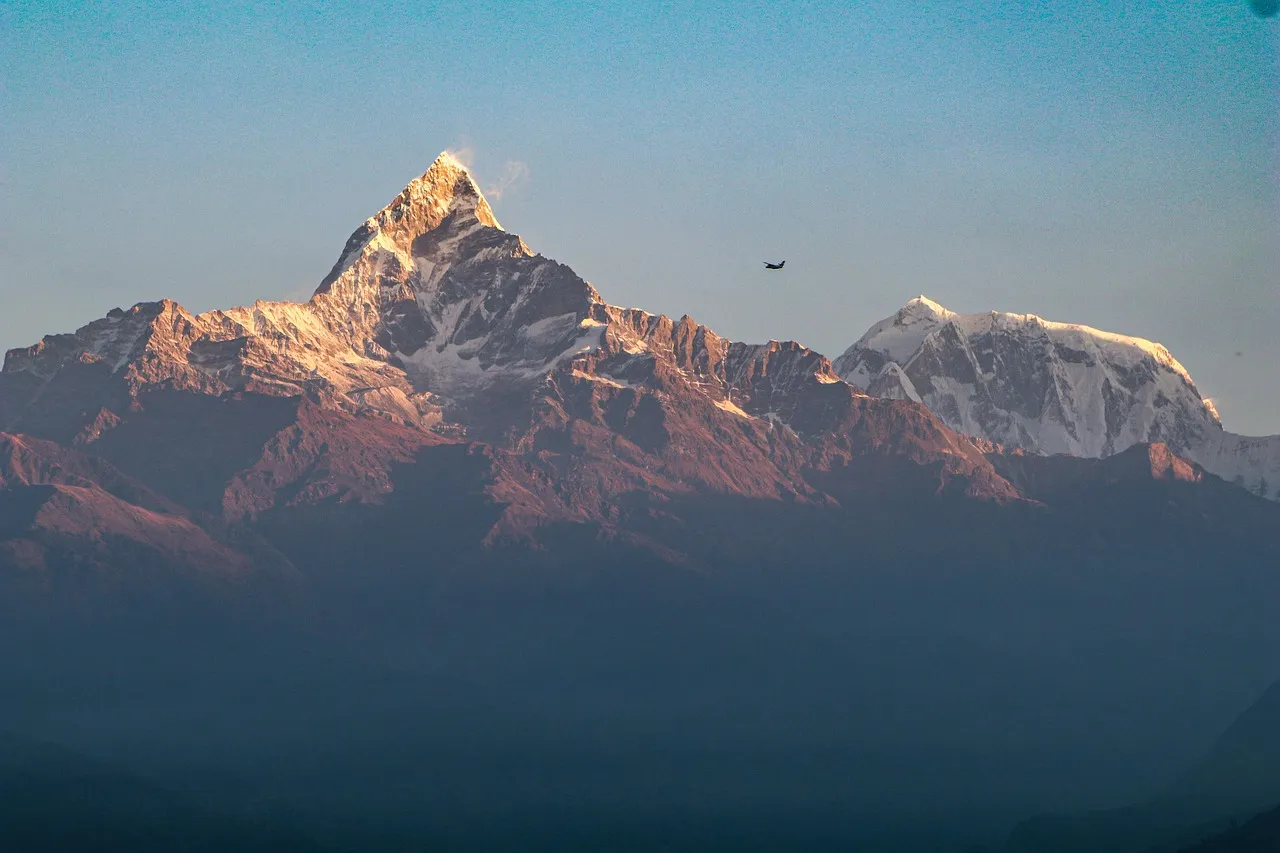
The Annapurna Circuit is one of Nepal’s most renowned long-distance journey, taking you on a remarkable path around the Annapurna mountain range. The route passes through an extraordinary variety of landscapes, from green subtropical valleys and terraced farmland to alpine meadows and the stark, high-altitude terrain of the Himalayas. Along the way, trekkers are treated to views of Annapurna, Dhaulagiri, Machapuchare and other impressive peaks.The trek is just as rewarding for its cultural encounters. The trail passes through villages inhabited by Gurung, Magar, Thakali and other communities, each with its own traditions, architecture and way of life. Spending time in these mountain settlements adds a cultural dimension to the spectacular scenery.One of the major challenges is crossing Thorong La Pass at approximately 5,416 metres. Reaching the pass is a significant achievement and one of the defining moments of the circuit. The changing altitude and terrain mean that good preparation, sensible pacing and proper acclimatisation are important.With dramatic landscapes, diverse mountain cultures and the challenge of crossing one of the world's highest trekking passes, the Annapurna Circuit offers an unforgettable way to experience the Himalayan region.

14 Days / 13 Nts • 🏔️ 4,600m Price on Request
Details →
Annapurna Region
Mountain Journeys Strenuous
Annapurna Region

Annapurna Base Camp Journey

The Annapurna Base Camp Journey is one of Nepal's most rewarding Himalayan journeys, combining dramatic mountain scenery with the warmth and culture of mountain communities.The adventure usually begins in Pokhara before heading towards the foothills of the Annapurna range. The trail winds through traditional villages, terraced farmland, lush forests and peaceful rivers. As you gain altitude, the landscape gradually changes, revealing waterfalls, rocky trails, alpine meadows and increasingly impressive views of the surrounding mountains.Reaching Annapurna Base Camp at approximately 4,130 metres (13,549 feet) is the highlight of the journey. Surrounded by towering Himalayan peaks, you get an unforgettable close-up view of Annapurna South, Annapurna I and Machhapuchhare (Fishtail). Standing in the natural amphitheatre of the Annapurna Sanctuary is a moment many trekkers remember long after returning home.The journey is about more than mountain views. Along the trail, you pass through villages inhabited by Gurung and Magar communities, where traditional houses, local teahouses and prayer flags reflect the region's rich cultural heritage. Meeting local people and experiencing their everyday way of life adds another dimension to the experience.With a combination of varied landscapes, welcoming mountain communities and spectacular Himalayan scenery, the Annapurna Base Camp Journey offers an experience that feels both adventurous and deeply connected to Nepal.BEST SEASON FOR THIS JOURNEY:The best season for the Annapurna Base Camp (ABC) experience in Nepal is during the autumn (September to November) and the spring (March to May). Both autumn and spring are popular seasons for the Annapurna Base Camp Journey, and you can expect to encounter fellow nature lovers along the trail.

12 Days / 11 Nts • 🏔️ 4,130m Price on Request
Details →
Mount Kailash Manasarovar Yatra
Pilgrimage
Tibet

Mount Kailash Manasarovar Yatra

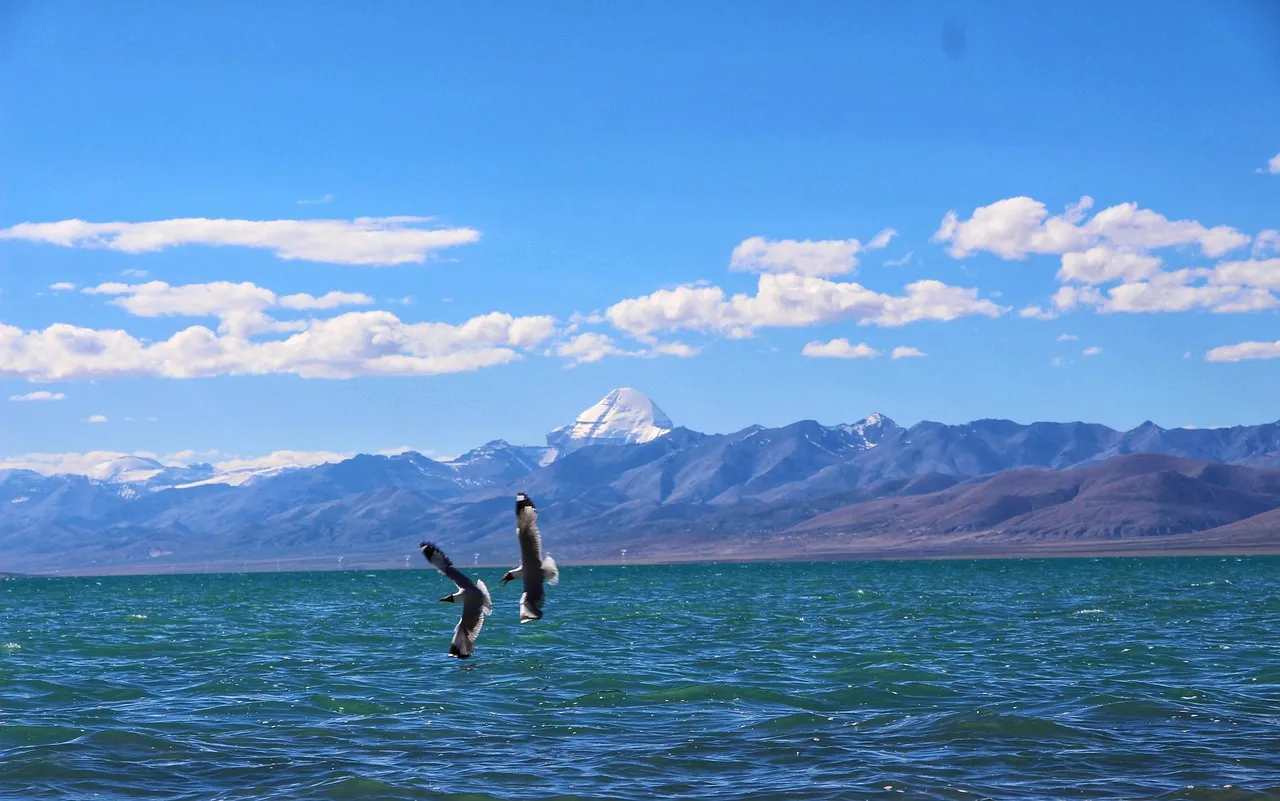
Known as the Roof of the World, Tibet has long captured the imagination of travellers with its immense landscapes, ancient traditions and powerful spiritual heritage.High above the rest of Asia, the Tibetan Plateau stretches across a vast landscape of mountains, valleys, lakes and remote wilderness. Its high-altitude environment supports unique wildlife and feeds some of Asia's great rivers, making the region important far beyond its borders.Tibet is also deeply connected to Buddhist culture and pilgrimage. Ancient monasteries, prayer flags and centuries-old traditions can be found throughout the region, while Mount Kailash remains one of the most revered pilgrimage sites for several religions.Beyond its landscapes and spiritual significance, Tibet is shaped by the people who call this challenging environment home. Their traditions, resilience and way of life are an important part of what makes travelling through the region so memorable.For travellers seeking something beyond the usual Himalayan routes, Tibet offers a remarkable combination of high-altitude wilderness, ancient culture, spirituality and extraordinary mountain scenery.

12 Days / 11 Nts • 🏔️ 4,800m Price on Request
Details →
In-Depth Travel Resources

Helpful Travel Guides & Regulations

Practical information, official permits, equipment checklists, and ethical guidelines for your Nepal trip.

Related Glossary Topics

Deepen your travel knowledge with interconnected mountain and cultural concepts.

Plan Your Custom Journey

Ready to explore Nepal with local experts?

Prawaha Tours designs private and small-group journeys tailored to your fitness level, schedule, and interests—with verified safety protocols and licensed local guides.

Compare Packages (0/3):