What Is a UNESCO World Heritage Site?
A UNESCO World Heritage Site is a landmark or area legally protected by an international convention for possessing Outstanding Universal Value (OUV) to humanity across cultural or natural criteria.
A UNESCO World Heritage Site is a geographical location, architectural monument, or natural ecosystem officially recognised by the United Nations Educational, Scientific and Cultural Organization (UNESCO) under the World Heritage Convention of 1972. To achieve inscription on the prestigious World Heritage List, a site must demonstrate Outstanding Universal Value (OUV)—meaning its cultural or ecological significance transcends national boundaries and is of paramount importance to all humanity.
World Heritage in Nepal: A Unique Dual Legacy
Despite its modest geographical footprint, Nepal possesses an extraordinary concentration of World Heritage sites, spanning both ancient human civilizations and pristine alpine wilderness:
1. Cultural Heritage Sites
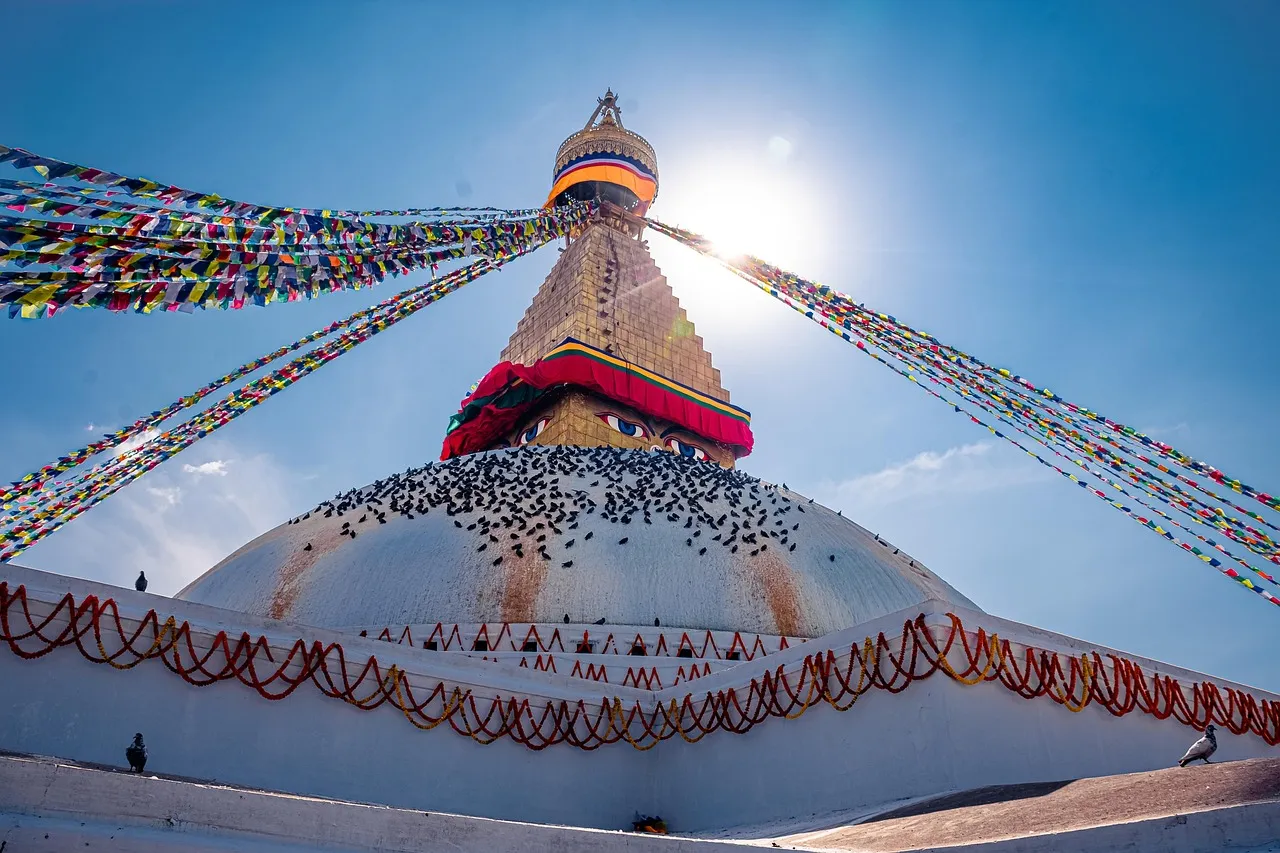
- The Kathmandu Valley (Inscribed 1979): Classified as a single composite cultural property containing seven monument zones within a 20-kilometre radius: the three royal palace squares (Kathmandu, Patan, and Bhaktapur Durbar Squares), two monumental Buddhist stupas (Swayambhunath and Boudhanath), and two sacred Hindu temple complexes (Pashupatinath and Changu Narayan).
- Lumbini, the Birthplace of the Lord Buddha (Inscribed 1997): The sacred archaeological garden containing the Mayadevi Temple, the marker stone marking Siddhartha Gautama’s birth in 623 BCE, the Ashoka Pillar erected in 249 BCE, and ancient monastic ruins.
2. Natural Heritage Sites
- Sagarmatha National Park (Inscribed 1979): Encompassing Mount Everest (8,848.86m) and surrounding glaciated peaks, dramatic deep gorges, and rare alpine wildlife like the snow leopard and lesser panda, while supporting traditional Sherpa Buddhist culture.
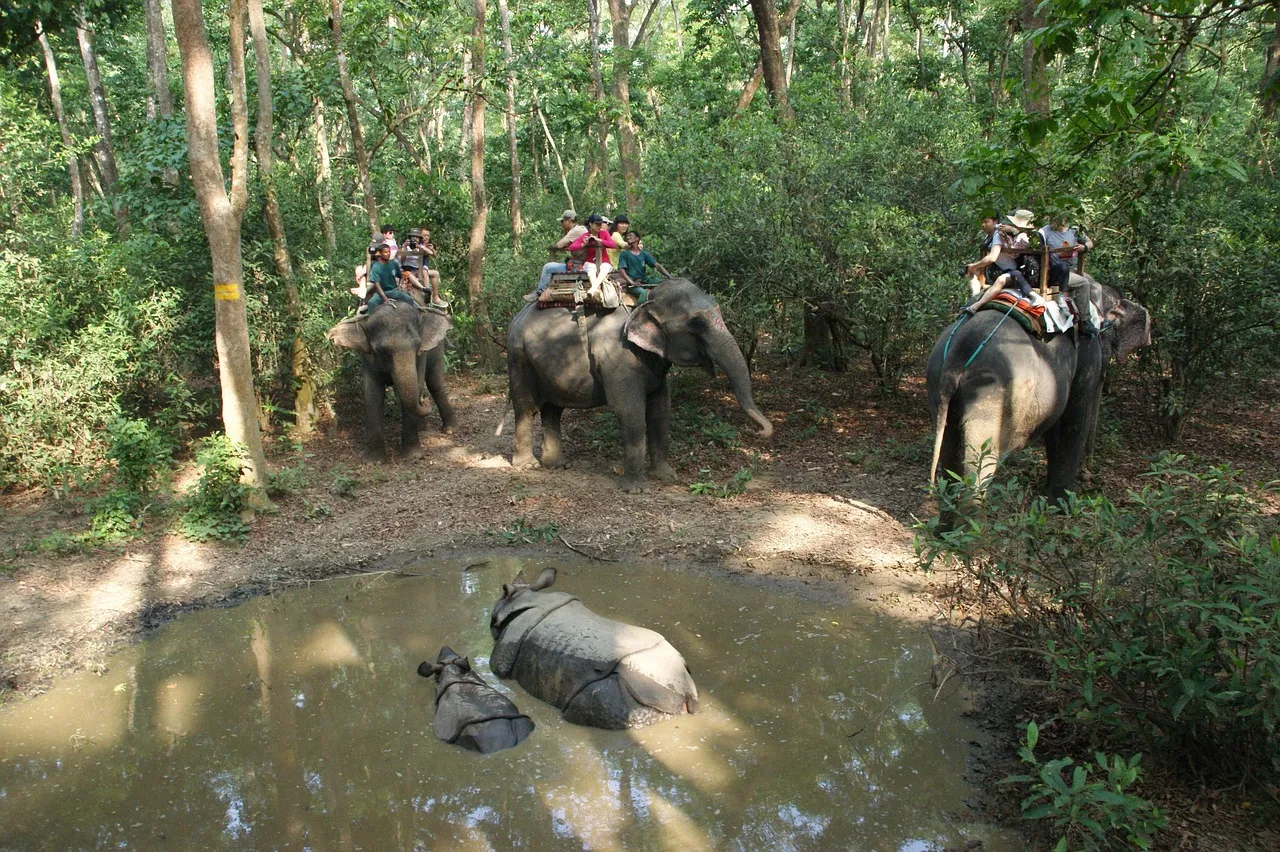
- Chitwan National Park (Inscribed 1984): Located in the subtropical southern lowlands, preserving one of the last remaining undisturbed ecosystems of the Terai and providing crucial refuge for the Greater one-horned rhinoceros and Royal Bengal tiger.
Preserving Living Heritage
In Nepal, World Heritage status carries unique conservation challenges. Sites are not sterile archaeological ruins; they are vibrant living communities where religious worship, daily commerce, and urban growth continue unabated. Responsible visitors directly contribute to site preservation by paying municipal conservation entry fees, engaging certified local heritage guides, and treating living traditions with utmost reverence.
This article was researched, composed, and fact-checked by the Prawaha Editorial Team in accordance with reliable Nepalese tourism and conservation authorities. High-altitude safety information adheres to established Himalayan Rescue Association (HRA) and wilderness medicine guidelines.